2026 Leadership Forum
Bel isi PNG Leadership Forum Calls for Action Beyond Policy to Address Gender-Based and Family and Sexual Violence
Seventh annual forum brings together government, business and civil society leaders to advance practical implementation of GBV and FSV policies across Papua New Guinea.
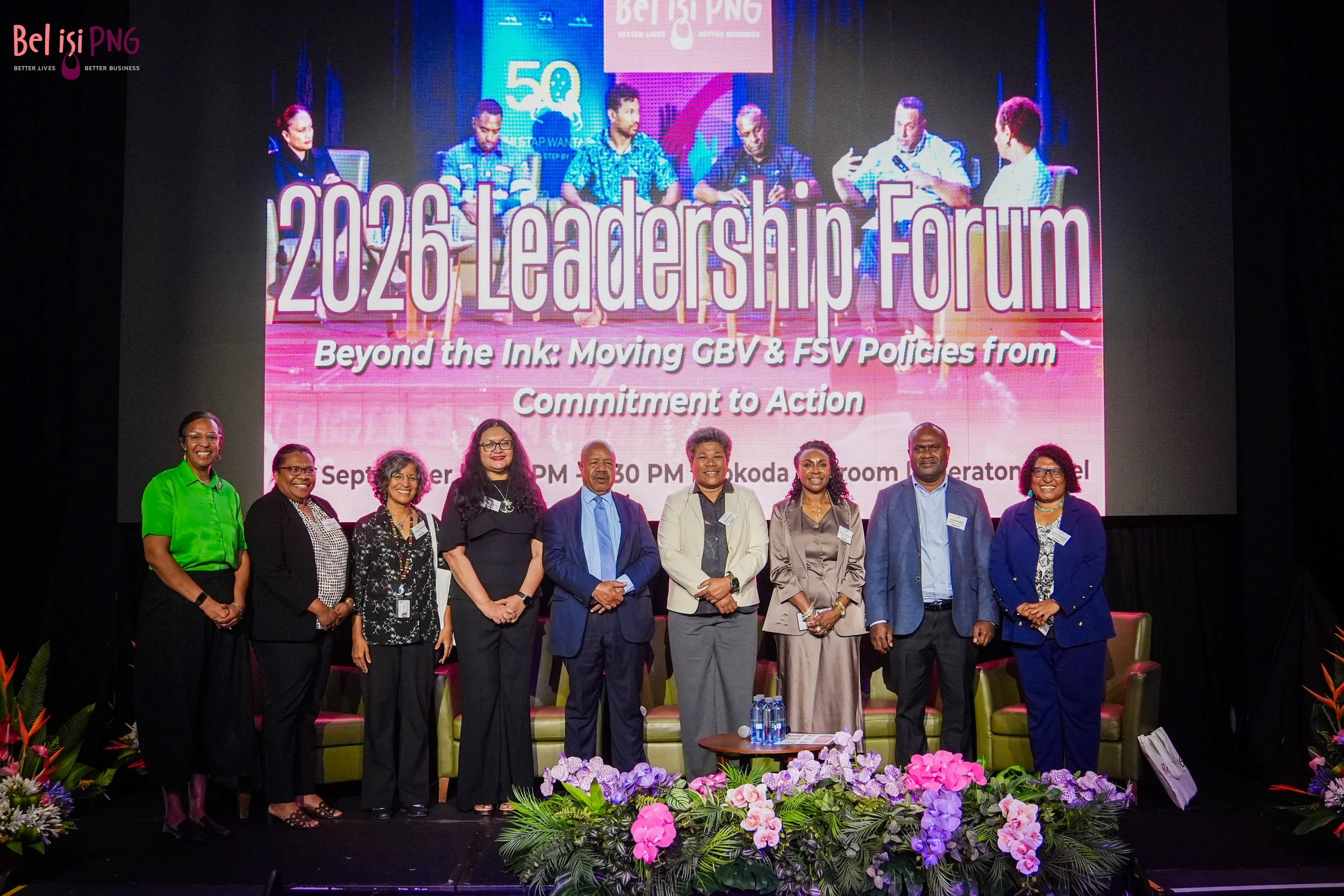
PORT MORESBY, Papua New Guinea | 24 September 2026 — Bel isi PNG brought together leaders from government, business, civil society, development partners and key institutions for its 7th Annual Leadership Forum on 21 September 2026.
Held under the theme, “Beyond the Ink: Moving GBV and FSV Policies from Commitment to Action,” the forum called on organisations across Papua New Guinea to move beyond policy commitments and translate them into practical, meaningful action to prevent and respond to gender-based violence (GBV) and family and sexual violence (FSV).
The annual forum provided a platform for Bel isi PNG’s partners, subscribers, government representatives, business leaders and other stakeholders to share practical solutions and strengthen collective efforts to address GBV and FSV.
The forum was held on the United Nations International Day of Peace, reflecting the meaning of Bel isi in Tok Pisin: peace, or the calmness of heart and mind that comes when people and communities feel safe, supported and respected. This principle is central to Bel isi PNG’s work and aligns with the global call to invest in peace, dignity and non-violence for everyone, everywhere and every day.
Bel isi PNG’s bilum logo also reflects this purpose. Just as a bilum carries and protects what is valuable, strong organisations and communities are built over time through trust, partnership, good governance, service and care for people. These foundations are critical to preventing violence and creating safer homes, workplaces and communities.
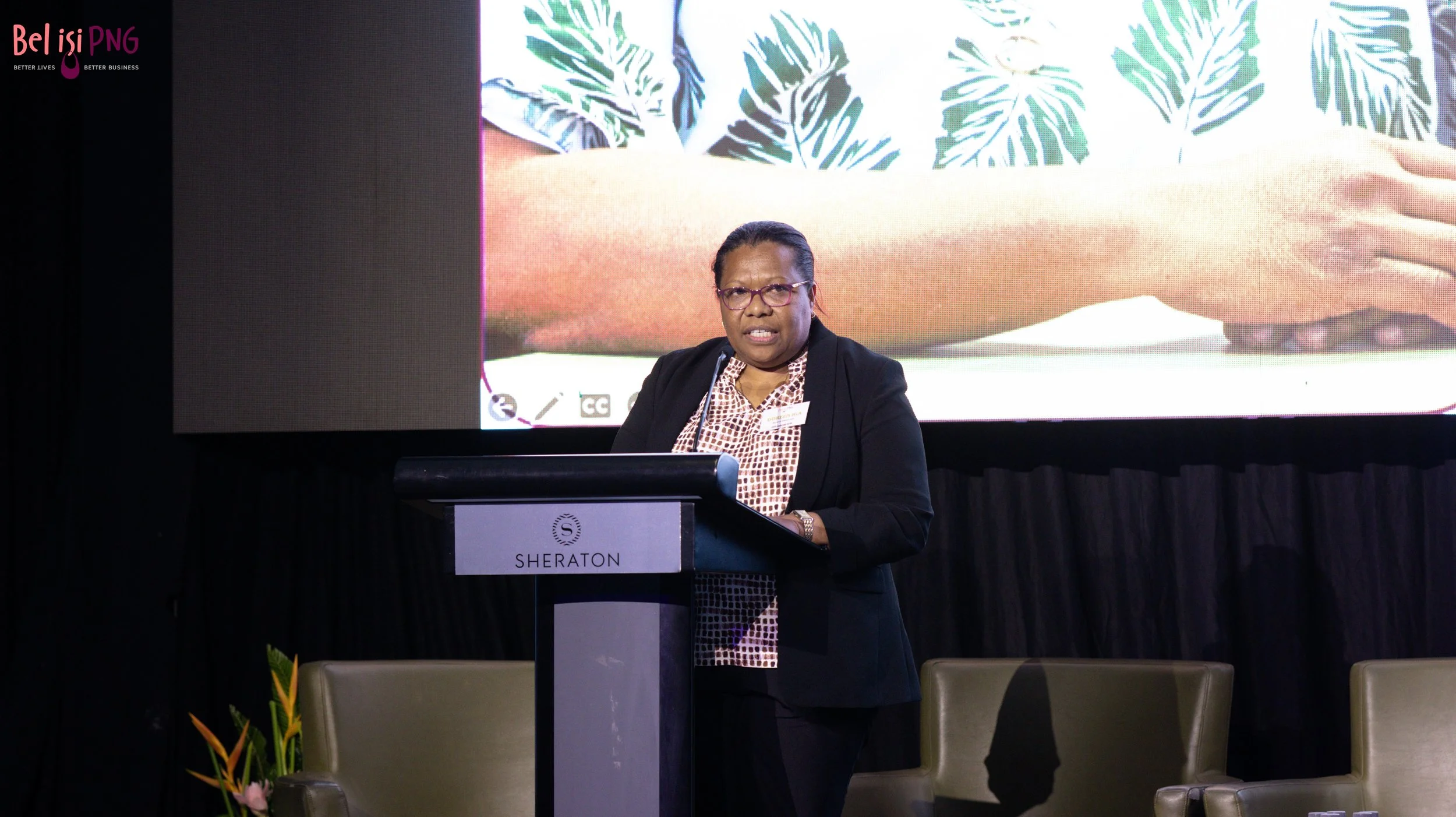
Opening the forum, Doreen Iga, Chair of Bel isi PNG and Executive Director of the Building Community Engagement Program (BCEP), highlighted the responsibility of leaders to create safer homes, workplaces and communities.
“Good intentions alone are not enough. We must translate our statements of support into practical action by moving beyond mere words. This means investing in people, strengthening systems, creating trusted pathways for support and ensuring accountability for the commitments we make.”
Dr Veera Mendonca, Country Representative and Interim Resident Coordinator for UNICEF PNG, delivered opening remarks and underscored the connection between peace, safety and effective institutions in preventing violence and supporting survivors.
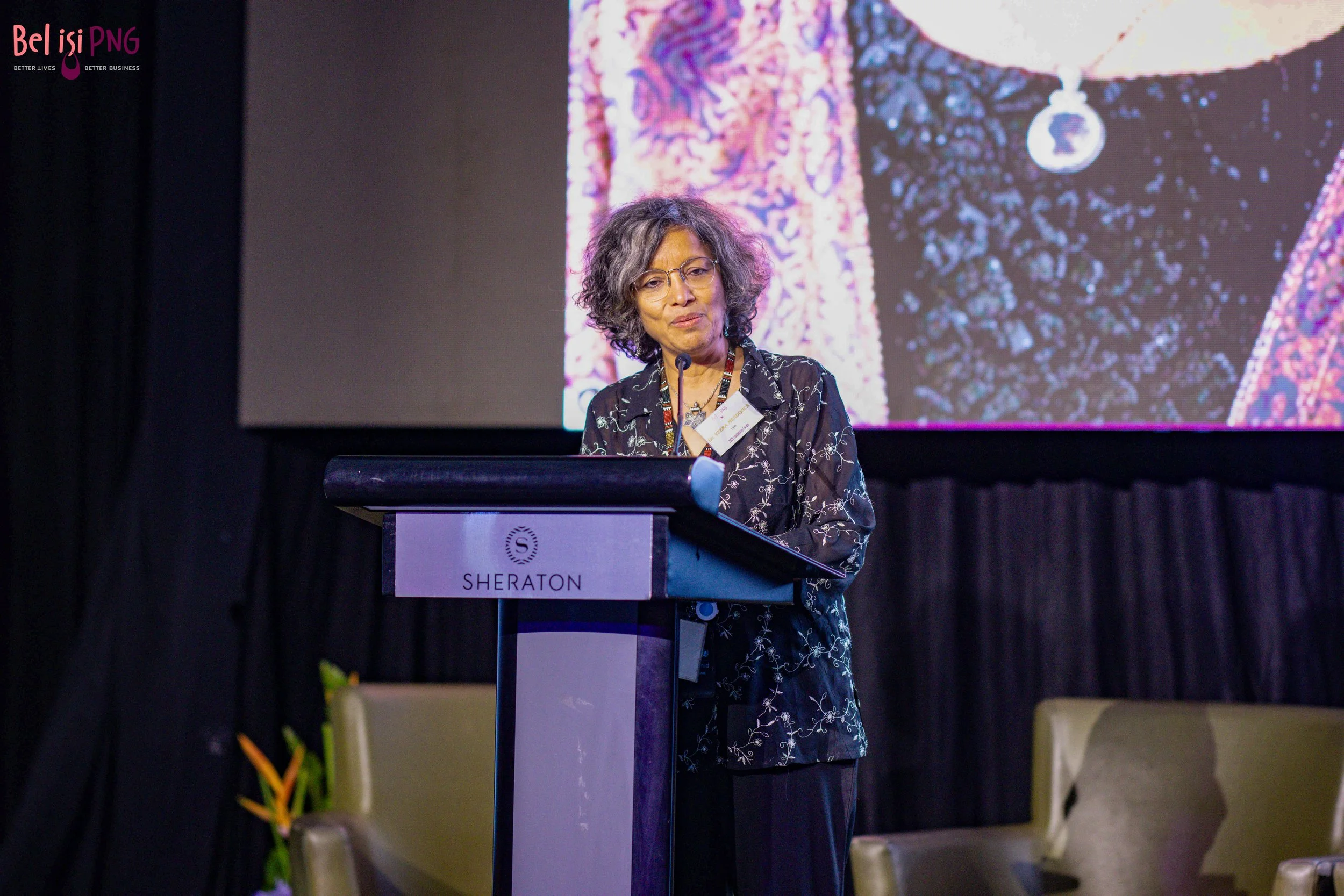
Dr Mendonca emphasised that preventing violence is essential to building peace and advancing national development.
“Peace does not begin at the negotiating table. It begins in a safe home, a safe workplace, and it is sustained by institutions that deliver.”
She also highlighted the positive impact of coordinated workplace responses for survivors and organisations, noting that action-oriented approaches can reduce lost workdays and improve access to support services.
The panel discussion brought together leaders from government, the private sector and key institutions, including Dianne Kambanei, Executive Director of the National Gender-Based Violence Secretariat; Vandhna Narayan, Group Chief Compliance Officer at Bank South Pacific; Karo Maha, Country Manager of New Porgera Limited; and Public Solicitor Leslie Mamu.
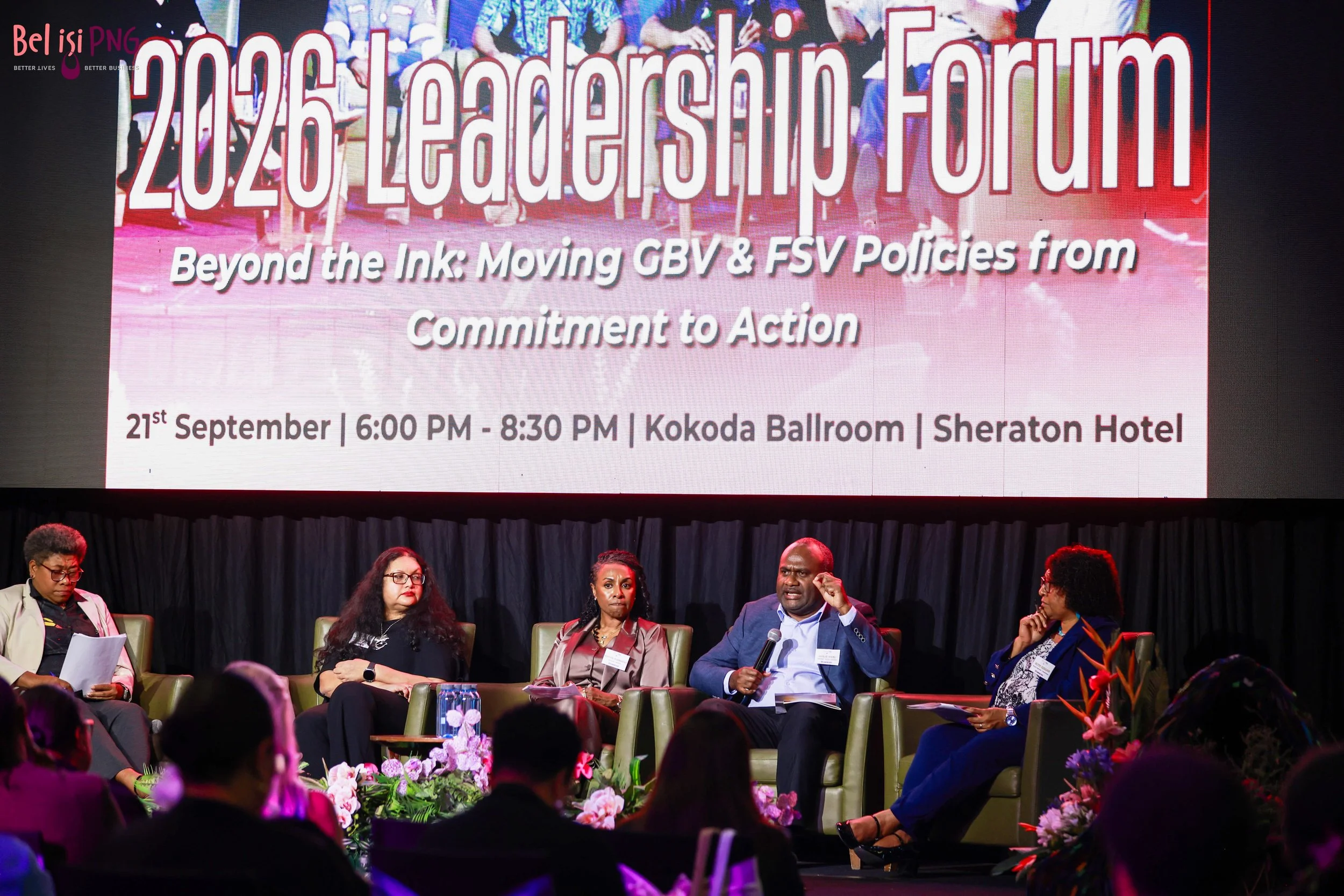
Panellists shared practical examples of how their organisations are strengthening accountability, workplace responses, frontline services and survivor-centred support systems. A key theme throughout the discussion was the need to ensure that policies are understood, appropriately resourced and consistently applied.
In closing, National Capital District Governor Hon. Powes Parkop, Chair of the Permanent Parliamentary Committee on Gender Equality and Women’s Empowerment, called for stronger collective action across all sectors.
“Peace and safety will not be achieved by words alone. They must be built through leadership, investment, partnership and consistent action.”
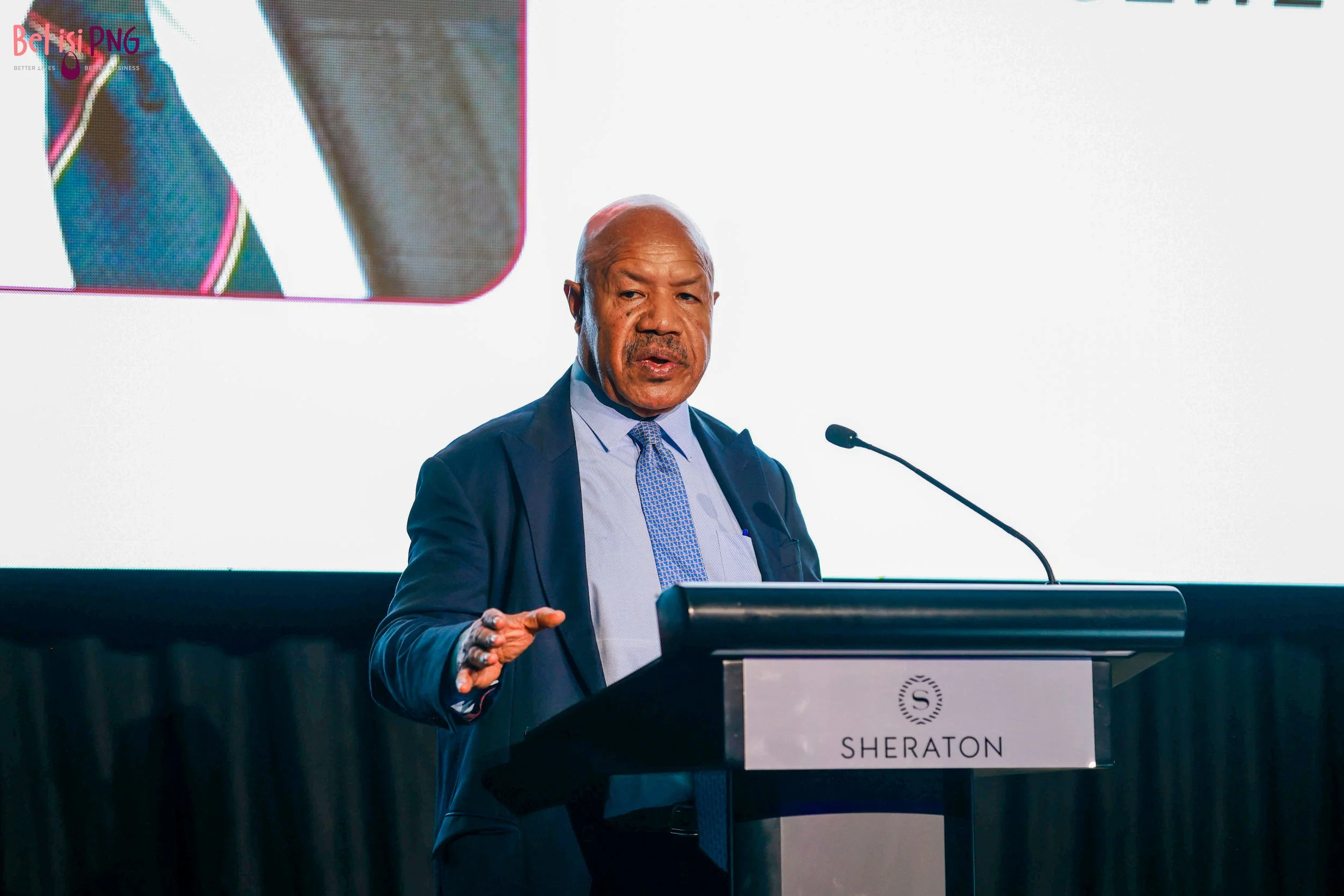
Governor Parkop emphasised that government, business, civil society, faith-based organisations and communities all have a role in creating safer homes, workplaces and communities. He called for stronger collaboration, survivor-centred services and sustained investment to ensure policies translate into tangible outcomes for Papua New Guineans affected by violence.
The forum also provided an opportunity for Bel isi PNG to present Governor Parkop with a proposal for consideration to recognise 21 September as Bel isi Day, further reinforcing the forum’s focus on peace, safety and community wellbeing.
The event concluded with a renewed commitment from stakeholders to strengthen partnerships, improve workplace and community responses, and accelerate practical action to prevent and respond to GBV and FSV across Papua New Guinea.
Bel isi PNG encourages organisations throughout Papua New Guinea to strengthen workplace responses to GBV and FSV, invest in survivor-centred support systems, and collaborate to create safer homes, workplaces and communities.
ENDS